

Among Florida’s most distinctive squirrels, the elusive Big Cypress fox squirrel is notable for its large size, limited range, and protected status. The von Arx Wildlife Hospital at the Conservancy of Southwest Florida recently rehabilitated and released two juvenile Big Cypress fox squirrels that had fallen from nests. The hospital has admitted a total of 118 fox squirrels since 1989.
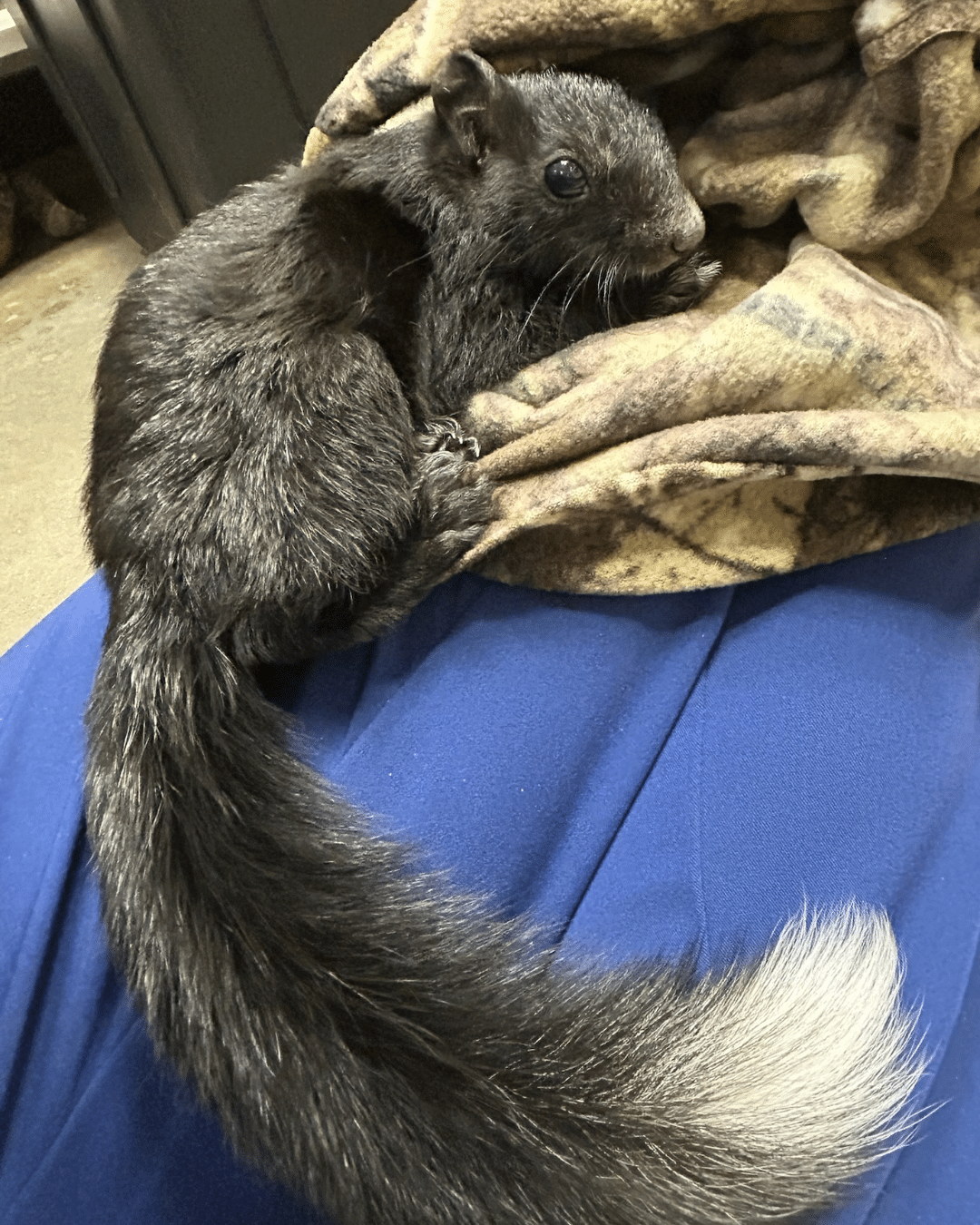
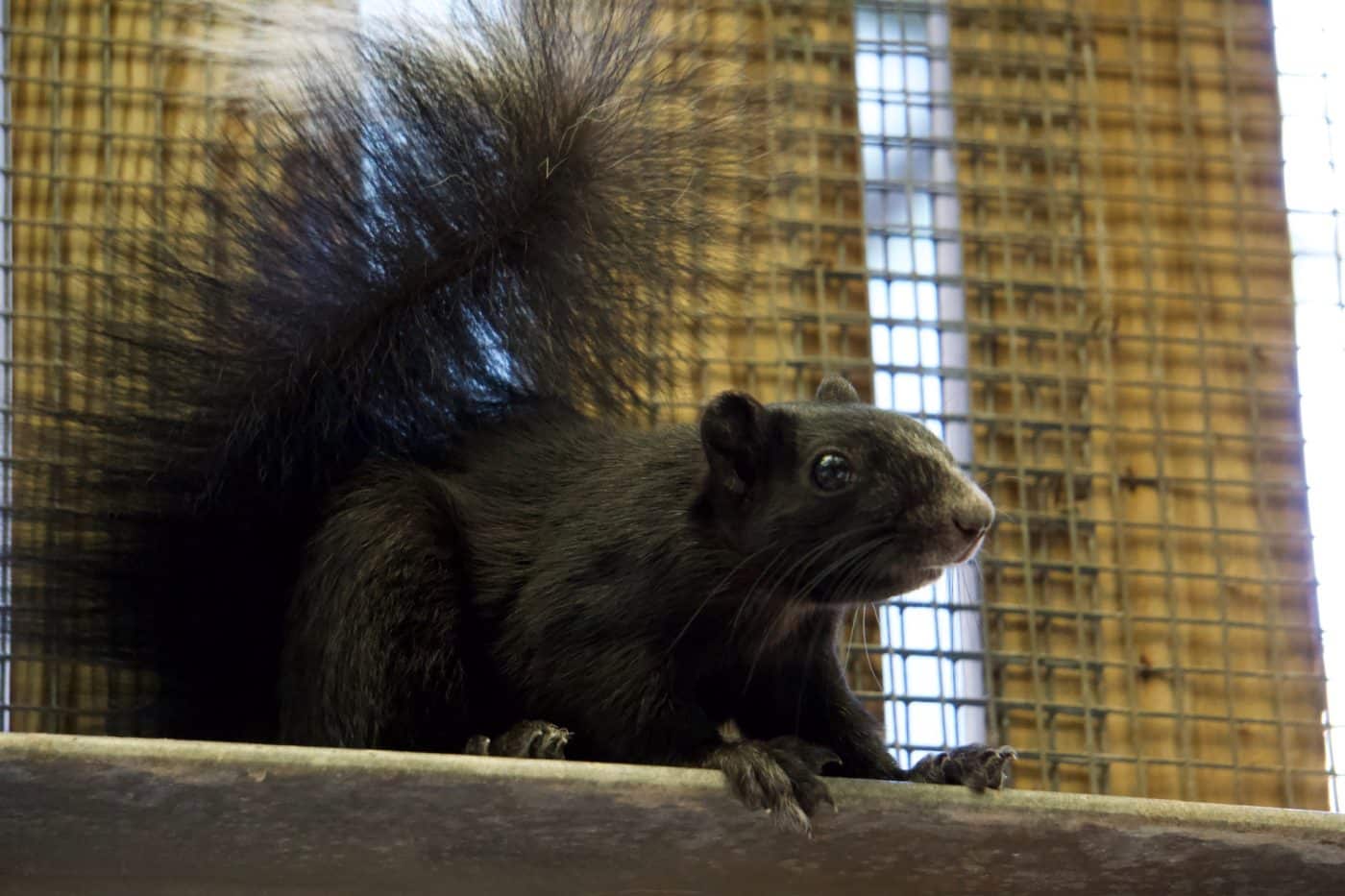
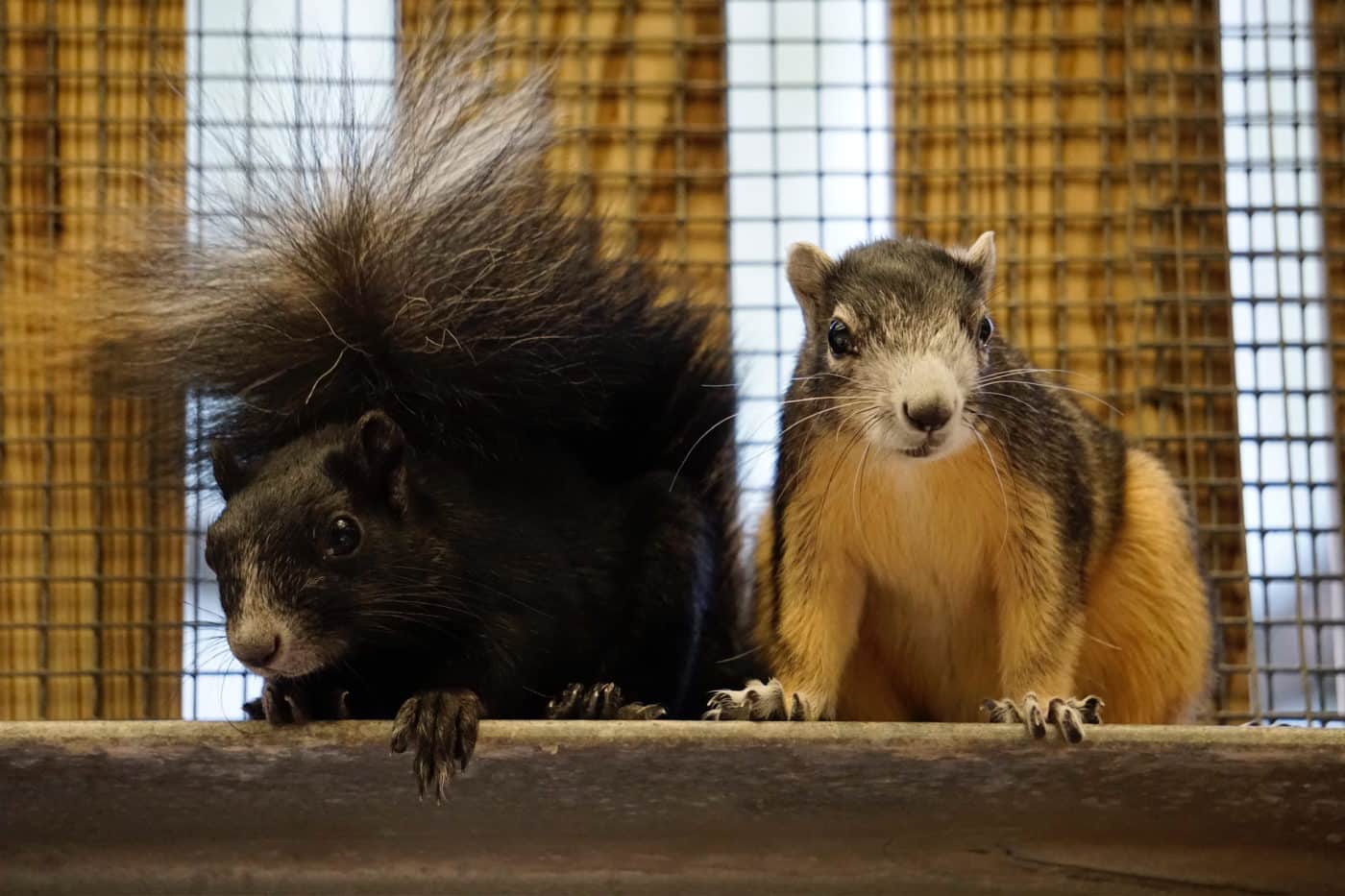
This black-and-white coloration of one of the squirrels is known as melanism, a genetic mutation that affects fur pigment. While it does not indicate a separate species, it’s mostly common in fox squirrels in colder climates. According to Lauren Barkley, Associate Director of the von Arx Wildlife Hospital, this was the first melanistic Big Cypress fox squirrel she had encountered in nearly a decade at the hospital.
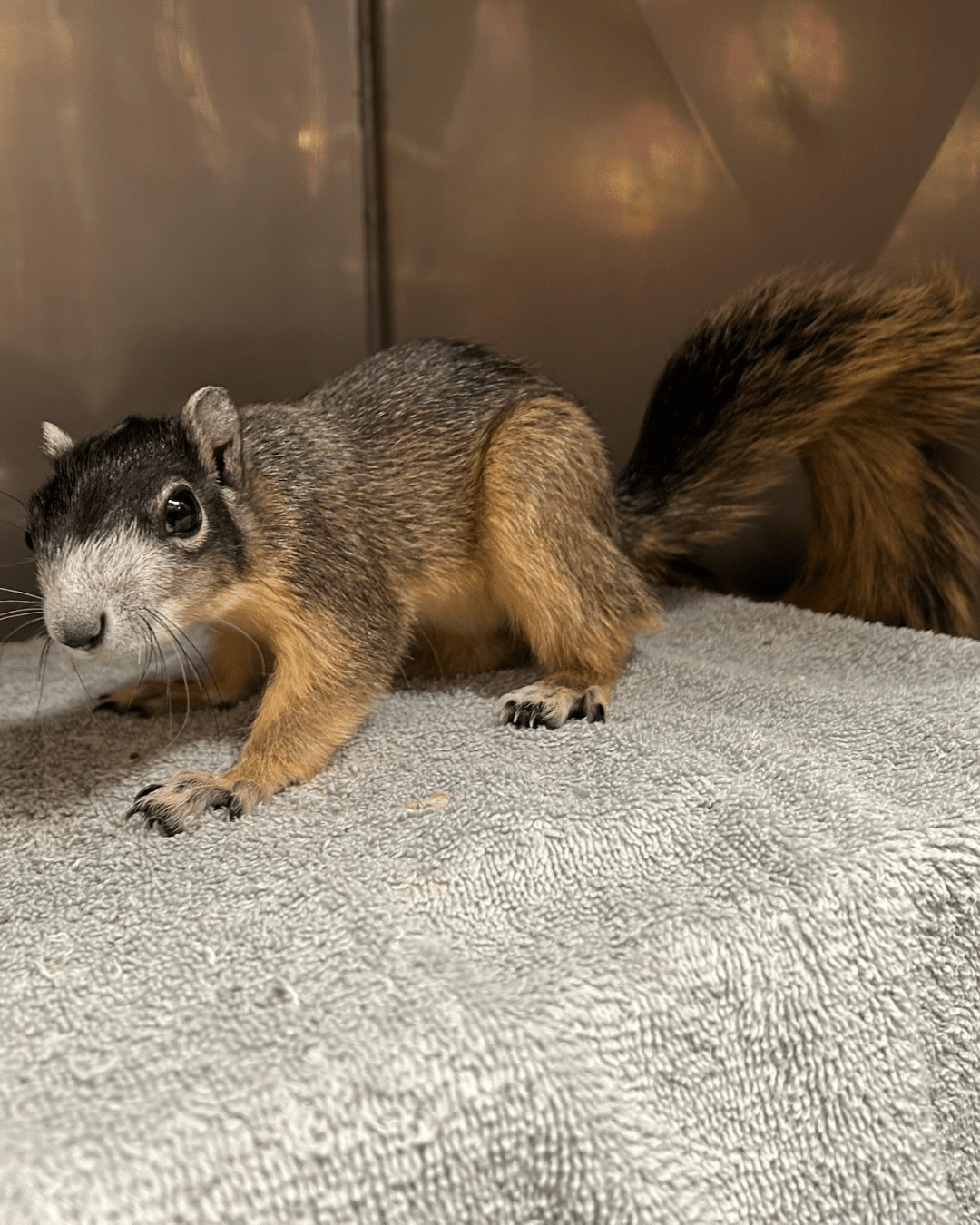
Fox squirrels are also notable for their size. They are two to three times larger than the eastern gray squirrels most people are familiar with. A healthy adult gray squirrel weighs about 360 grams (~0.79 pounds), while an adult fox squirrel can reach nearly 1,000 grams (~2.2 pounds). Even as babies, the difference is striking. When admitted, one squirrel weighed 156 grams and the other 216 grams, far larger than gray squirrels of the same age, which typically weigh under 100 grams.
Their impressive size often draws human attention, particularly in golf course communities where pockets of pine and cypress habitat are attractors for them. Unfortunately, people sometimes feed fox squirrels, which can cause them to lose their natural fear of humans. One of these squirrels was brought to the hospital after being found orphaned and approaching people.
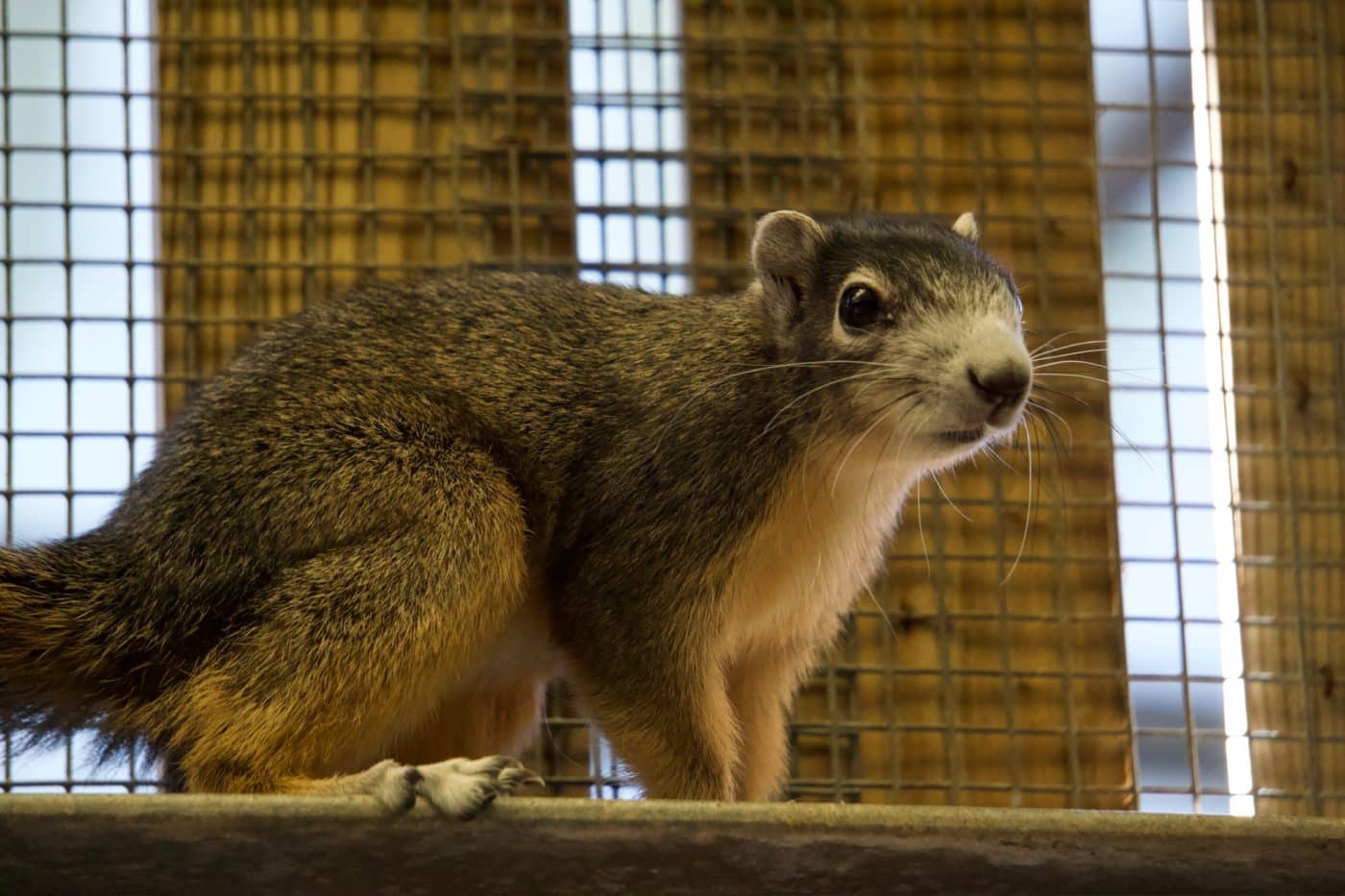
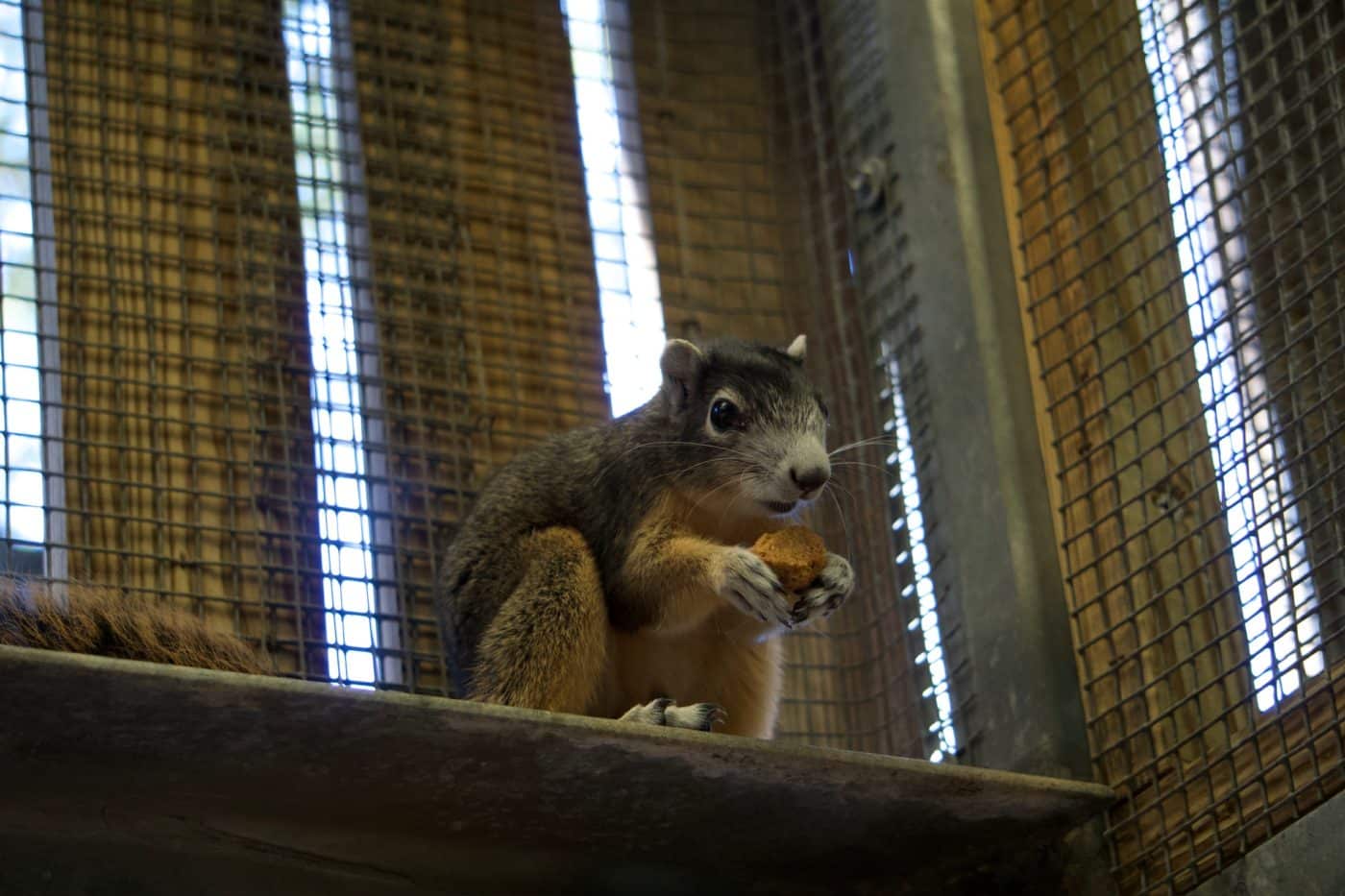
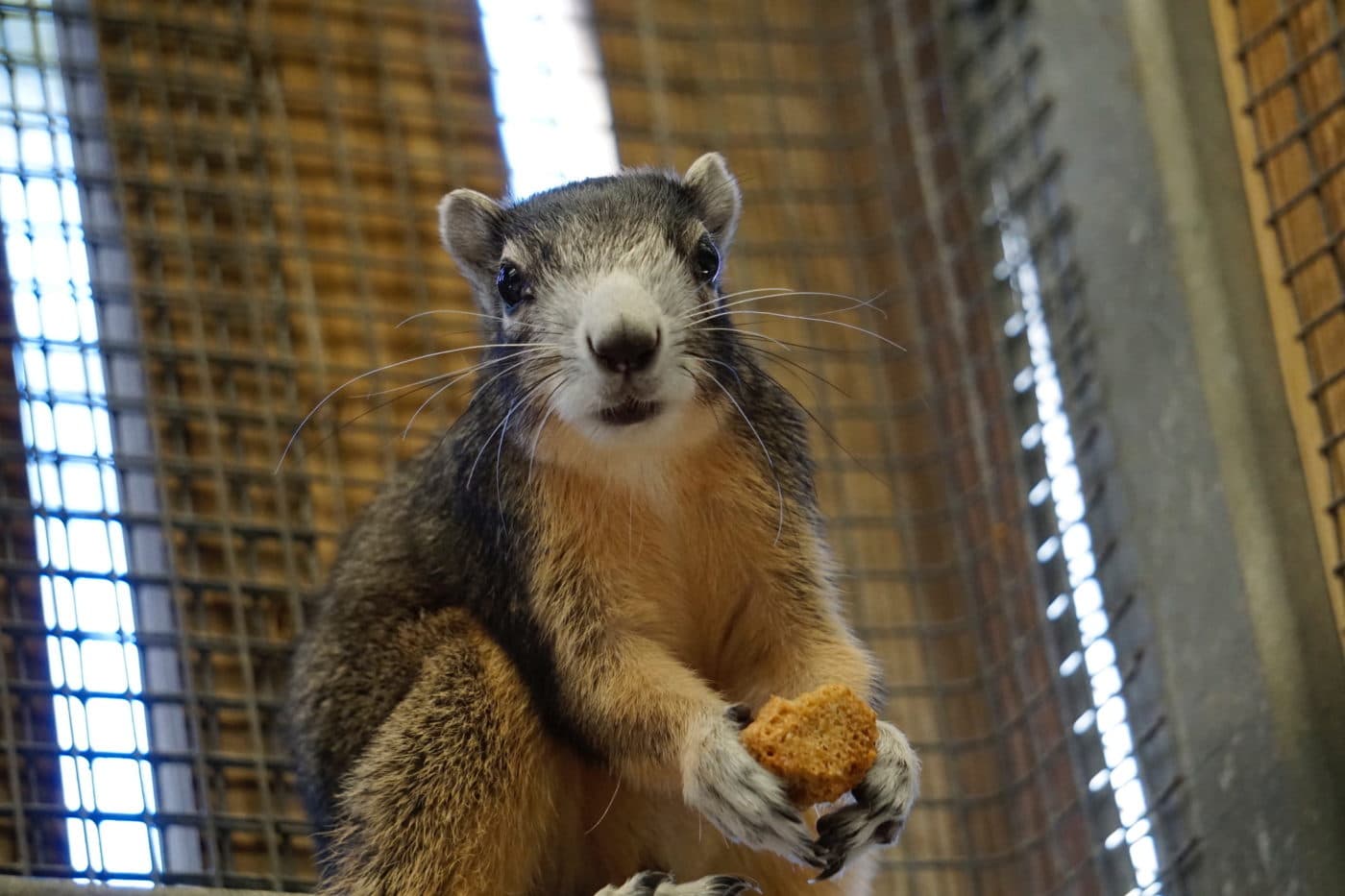
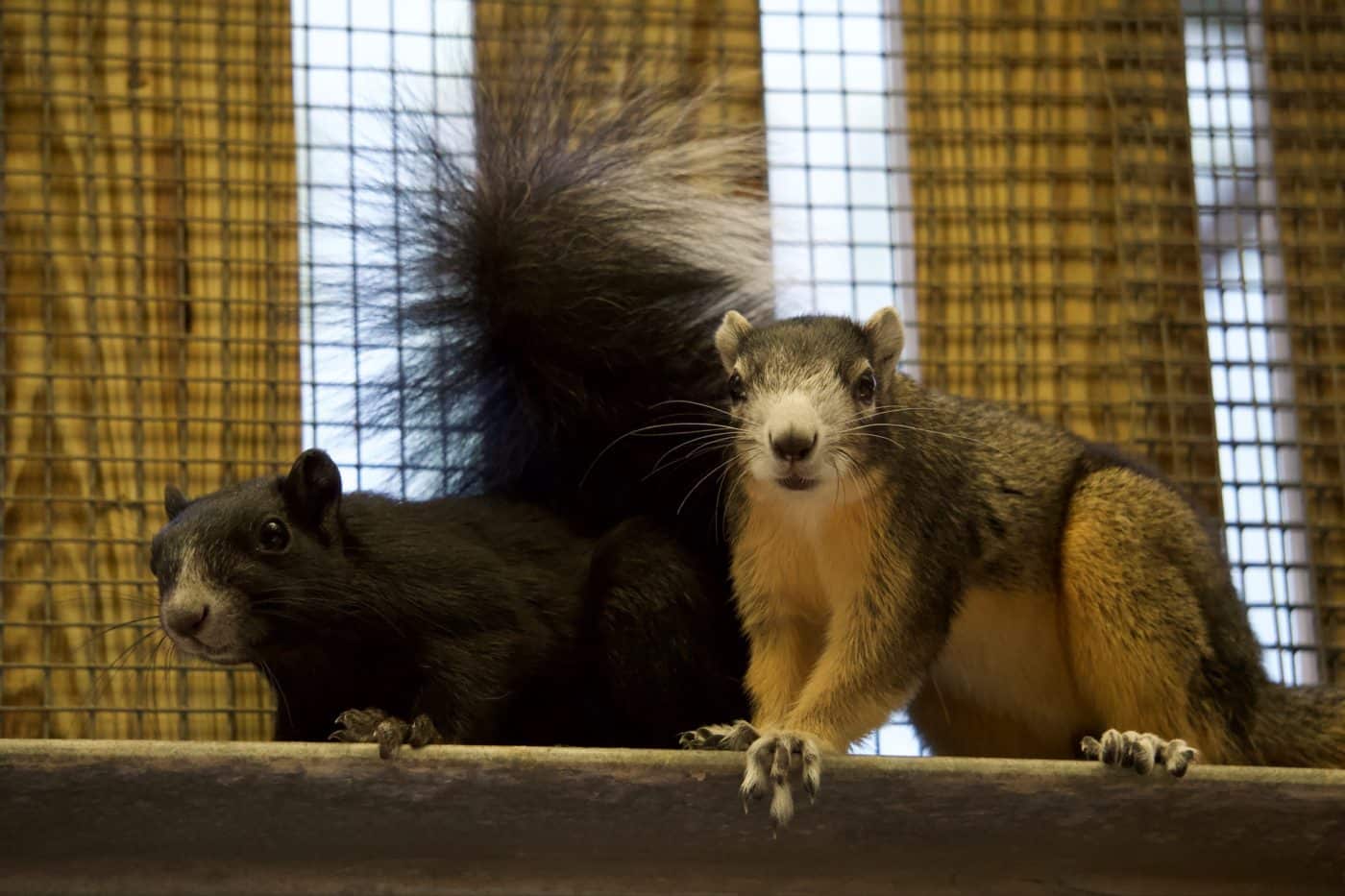
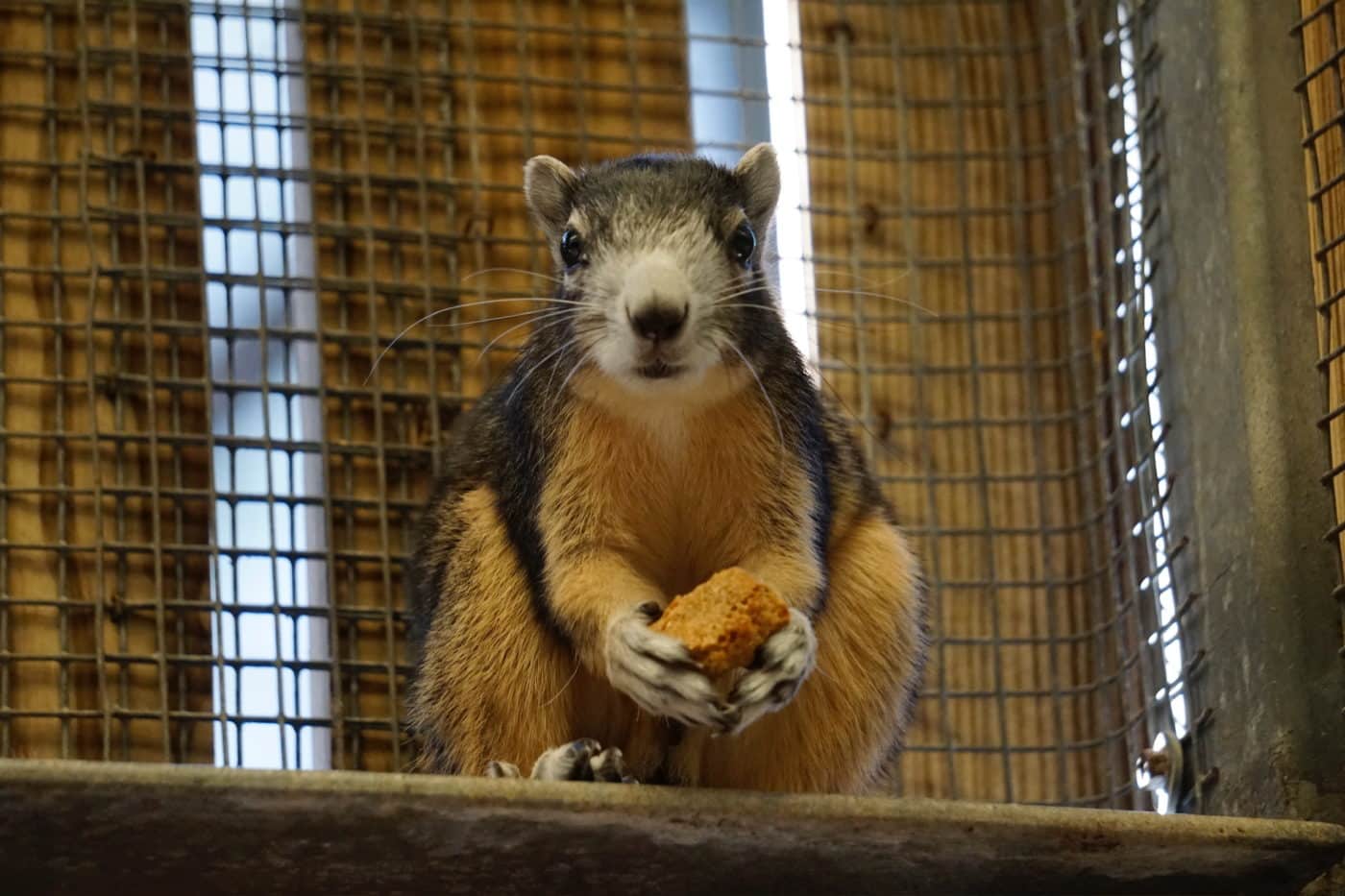
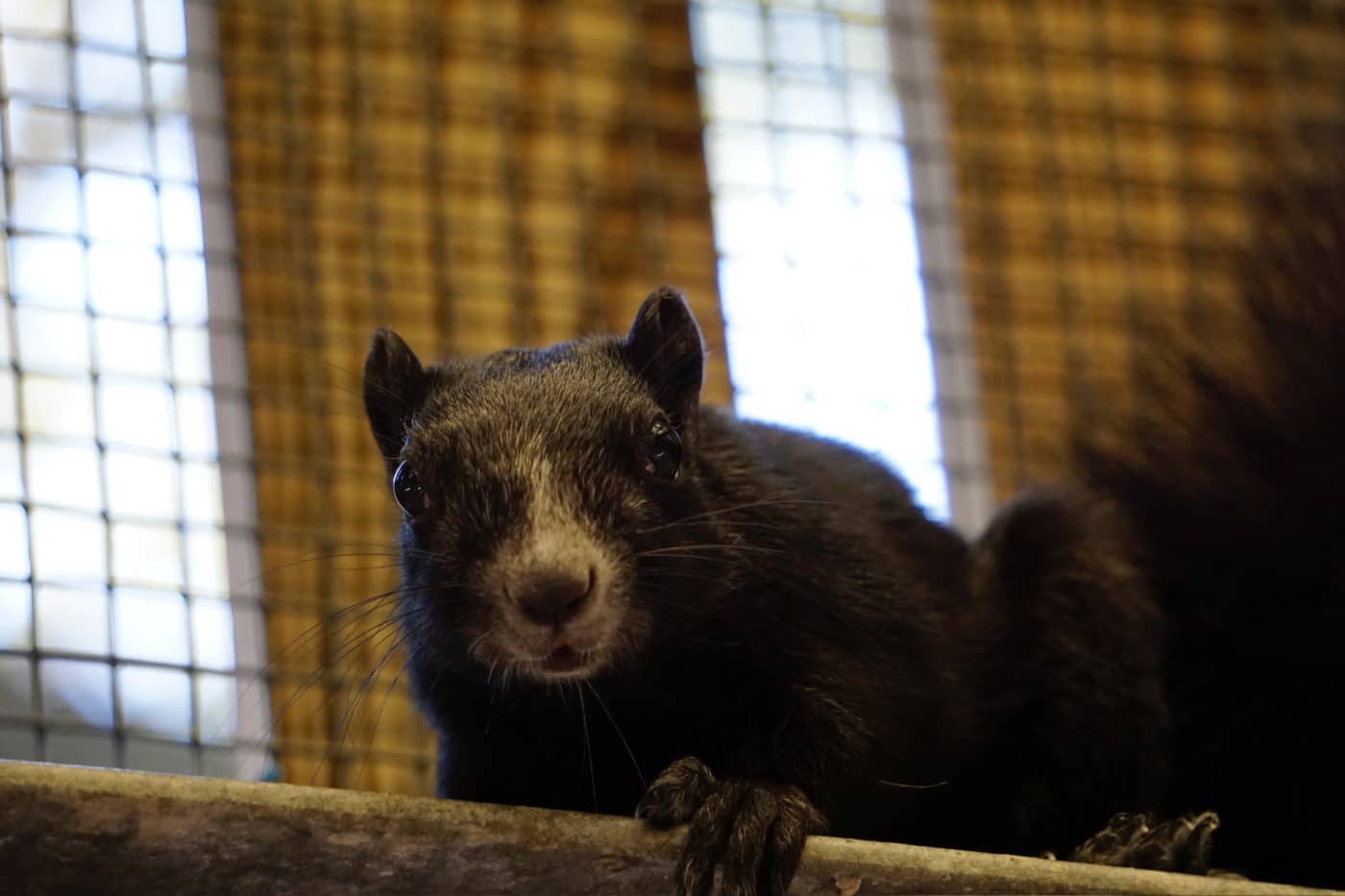
The other squirrel was admitted after falling from a nest. Both were treated for injuries related to high falls, including dehydration and pain, and one arrived with a nosebleed requiring close monitoring. Once stabilized, the squirrels were placed on specialized formulas and diets to support healthy development.
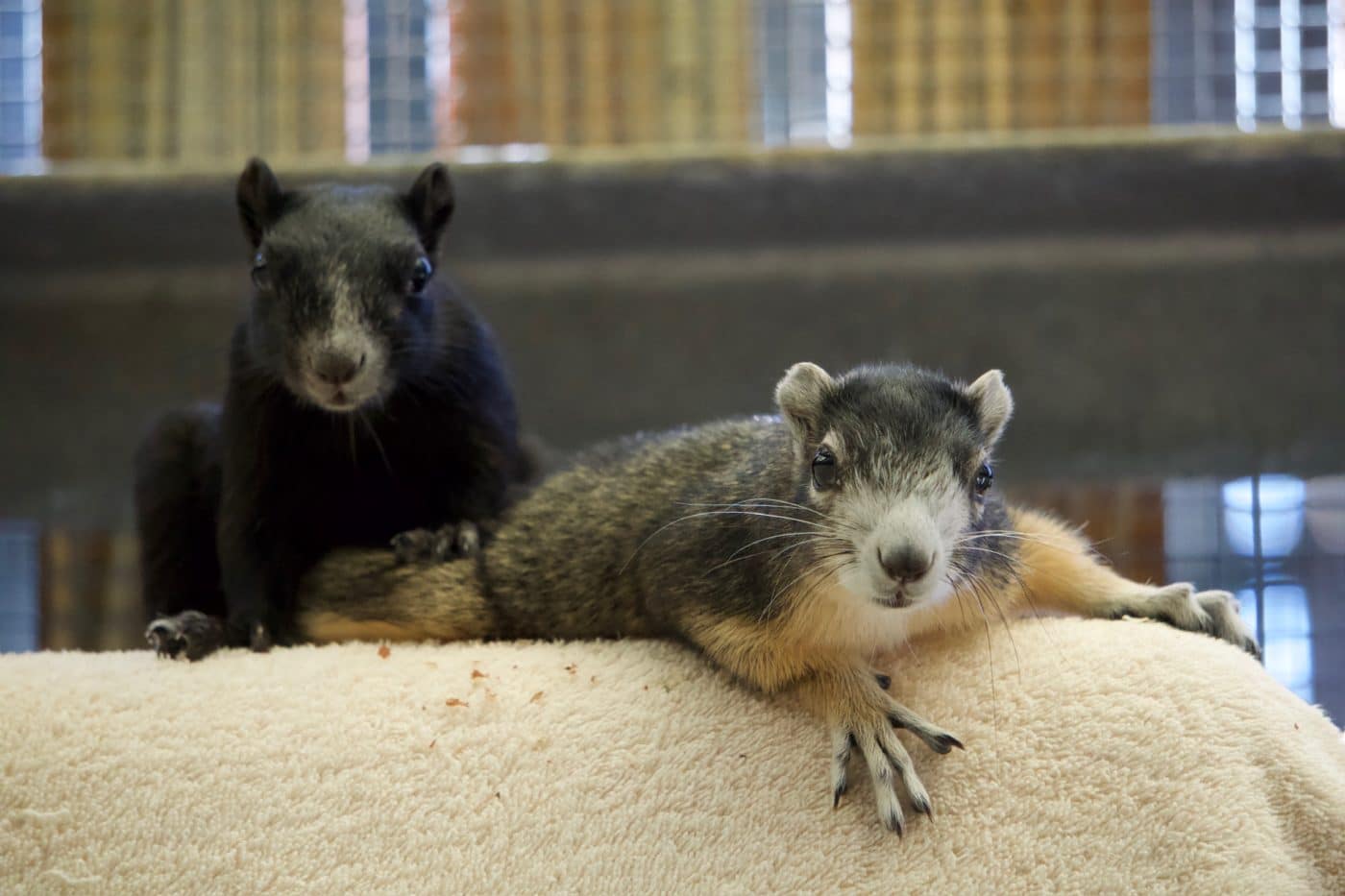
Fox squirrels are known to imprint more easily than gray squirrels, making socialization during rehabilitation especially important. Staff had been actively searching for another rehabilitation facility with a fox squirrel to ensure appropriate pairing, when a second juvenile patient was admitted. The two were housed together, allowing them to develop natural behaviors such as climbing and foraging while reducing stress.
As they matured and demonstrated the ability to climb, jump, and crack nuts on their own, they were moved to a specialized outdoor enclosure to prepare for life in the wild. The first squirrel spent a total of 74 days in rehabilitation, while the second spent 56 days.
The two were ultimately released together at a carefully selected site with high-quality pine and cypress habitat near the nest where one of them was originally found. Releasing the squirrels together helped reduce stress and supported natural behaviors during their transition back into the wild, increasing their chance of success.
Their release highlights the importance of intact habitat and expert wildlife rehabilitation. Squirrels that have been orphaned may approach people seeking food. If you live in Southwest Florida and see a squirrel approaching people and you are unsure whether it is orphaned, contact the von Arx Wildlife Hospital at (239) 262-2273 for guidance. For more information on the von Arx Wildlife Hospital and the Conservancy’s wildlife rehabilitation program, please click here.