
Written by Kathy Worley, Acting Director of Environmental Science and Coastal Ecologist
I was out on Keewaydin Island the other day, dodging, or rather trying to dodge, the storms, and was dreading having to dig up an overdue sea turtle nest that had been drowned several times by king tides.
You see, I knew that what was underneath the cage was really buried in the sand. My experience told me that once I manage to dig out the cage and dig down to assess the nest, it would be a smelly, decomposed mess.
The nest had been inundated multiple times, so it was very unlikely that anything got out of the nest. I knew that assessing the nest, while needed for scientific data gathering, was going to be an unpleasant experience. To top that off, a storm squall decided to move directly above me, and it felt like someone was continually dumping a bucket of water over me. Luckily, the tap slowed down to a drizzle after about 10 minutes, and I continued trying to get the cage unstuck from the sand. The nest area had been accreting sand, and it was going to take a concerted effort to get the cage out, so I could then dig down to find the old sea turtle eggs.
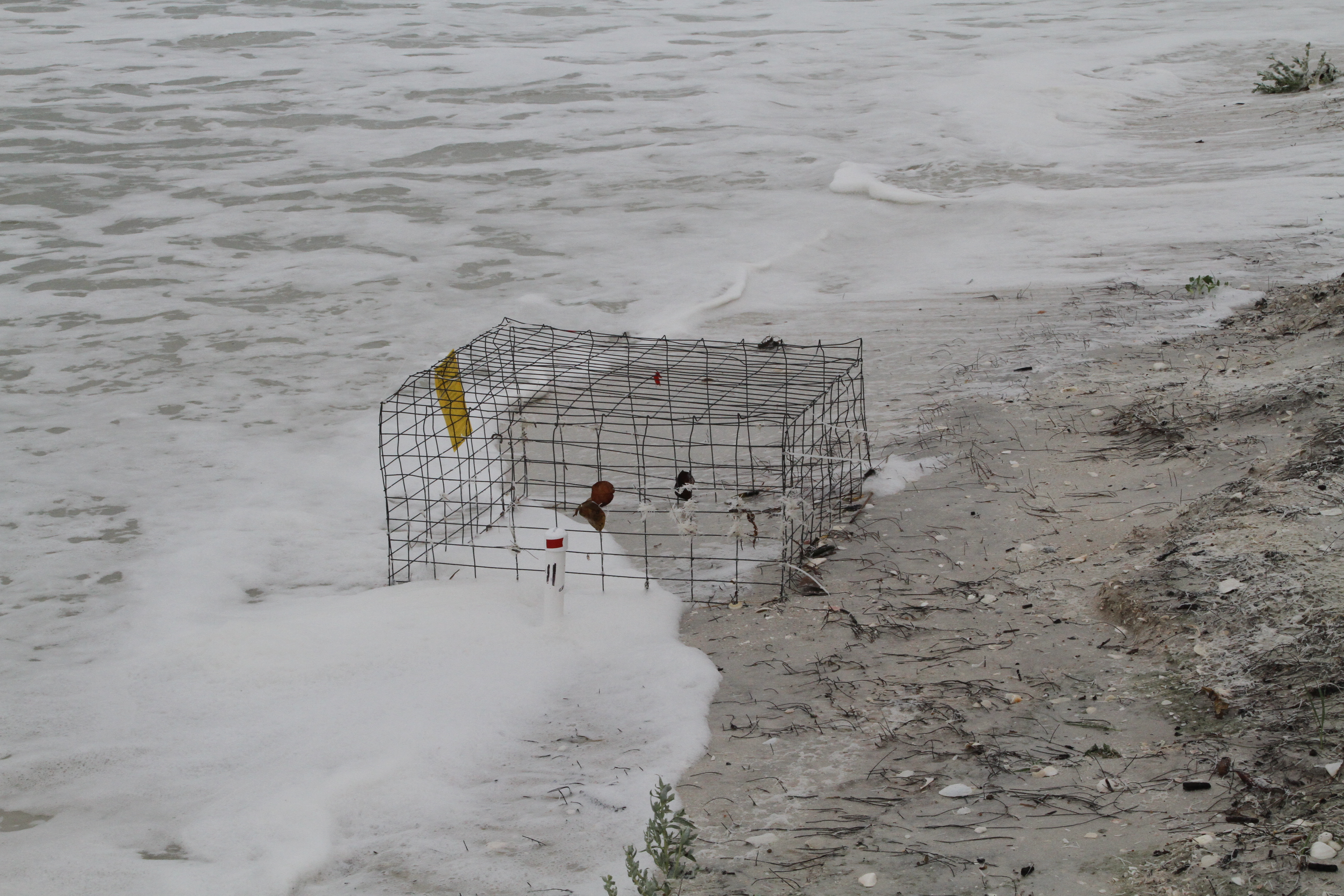
Out of nowhere, two kids came tearing around the corner of the beach and came to an abrupt stop when they saw me struggling to get the cage out of the sand. The little boy said to me, “You can’t touch that. It’s a sea turtle nest!” I explained to them that the nest was done, and I was getting the cage out of the sand. I didn’t have the heart to tell them that the nest was likely dead from repeated inundations. They continued around the corner, and then a frantic father came racing after them, yelling for them.
What really made my day was that the little boy, probably only around 5 years old, knew that that was a sea turtle nest and knew it should be left alone.
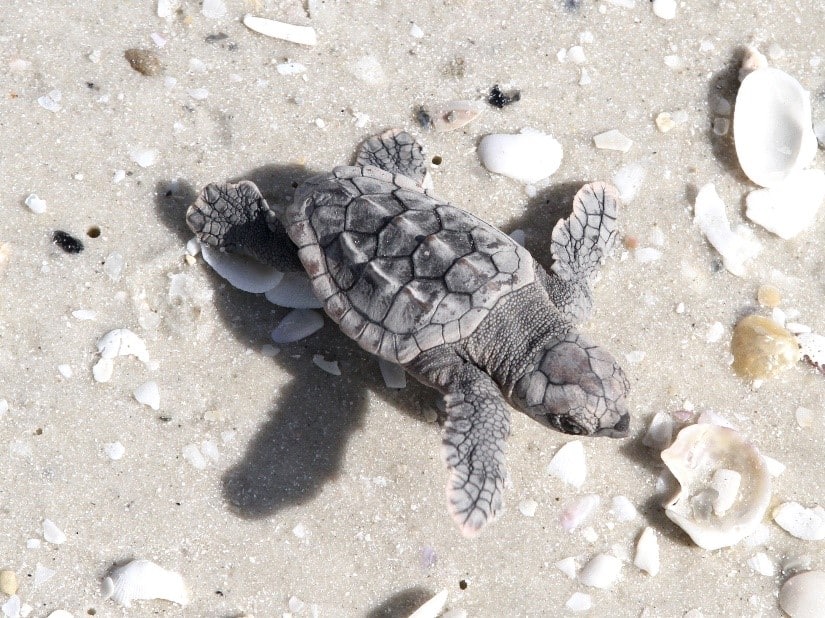
To top it off, when I finally managed to get the cage unstuck and find the eggs, to my surprise, 14 out of 73 eggs that were laid actually hatched and likely made it to the Gulf. Yes, the rest of the nest was a smelly, decomposed mess, but some of the hatchlings survived, and a little boy had been taught about conserving sea turtle nests.
Our sea turtle season is in full swing. To view our updated sea turtle dashboard, please see here.