

Vital history: How Big Cypress National Preserve was first protected
In the late 1960s, plans for the Everglades Jetport—a six-runway facility that would have been the largest airport in the world—triggered urgent warnings from scientists and environmentalists. A pivotal environmental impact report led by hydrologist Luna B. Leopold concluded that the Jetport would “inexorably destroy the South Florida ecosystem and thus the Everglades National Park,” citing devastating impacts from sewage, industrial waste, air pollution, and habitat loss. This scientific alarm gave momentum to activists such as Marjory Stoneman Douglas, who at age 79, co-founded Friends of the Everglades in 1969 and mobilized thousands through her powerful advocacy. During the same time period, Joe Browder of the National Audubon Society worked alongside Douglas to build grassroots resistance, bringing national attention to the threat and pressing political leaders to act.
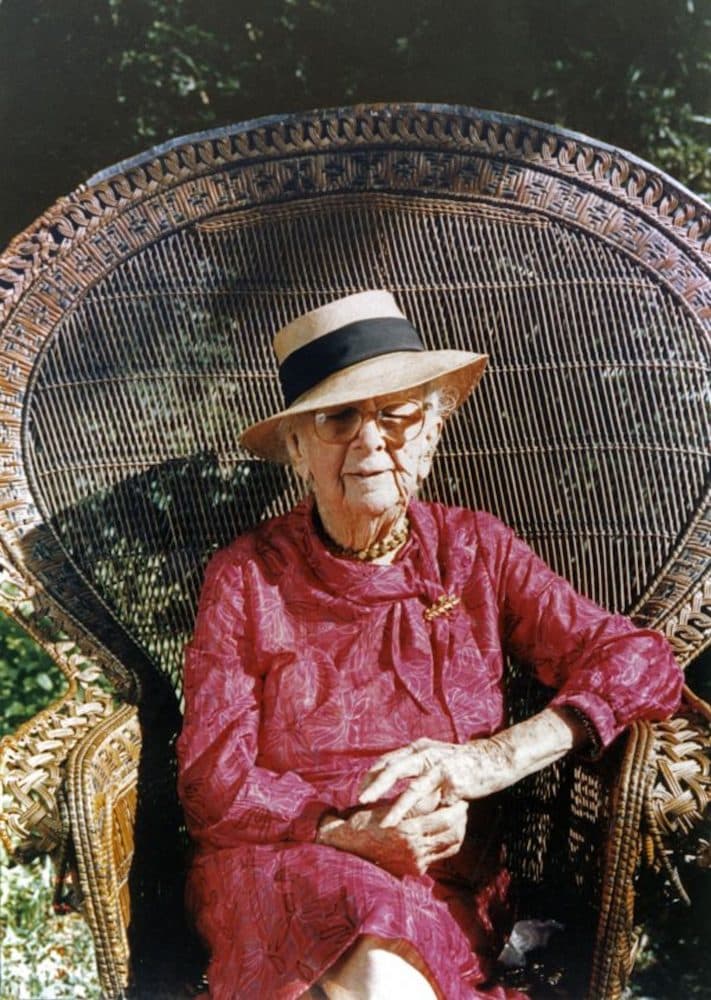
Nathaniel Reed, serving as environmental advisor to Governor Claude Kirk, used Leopold’s findings and the mounting public pressure to persuade the governor to withdraw Florida’s support for the project. Shortly after, President Nixon aligned with the state’s position, effectively halting construction after only a single runway had been built.
The combined force of science, citizen activism, and political leadership not only stopped the Jetport but also redirected attention toward permanent protection of the region—culminating in the federal purchase of surrounding lands and the creation of the Big Cypress National Preserve in 1974, the nation’s first national preserve. That historical momentum also would “inspire Florida’s modern Everglades movement… and led the Department of Interior to commission a report to assess the ecological impacts of the [Jetport] project, one of the nation’s first environmental impact statements.”
Conservancy’s Historical Protection of Big Cypress National Preserve
The Big Cypress National Preserve, a critical part of the western Everglades, is an iconic American landscape deserving of conservation and protection. Despite the success of legendary Everglades voices to fight the Jetport, the Conservancy of Southwest Florida has remained vigilant over the decades to fend off incompatible intensified land uses.
As an organization located in Collier County and dedicated to protecting the greater Western Everglades, we do not believe this level of intensification is appropriate in the Big Cypress National Preserve. Throughout our 60+ year history, the Conservancy has fought for the protection of Big Cypress.
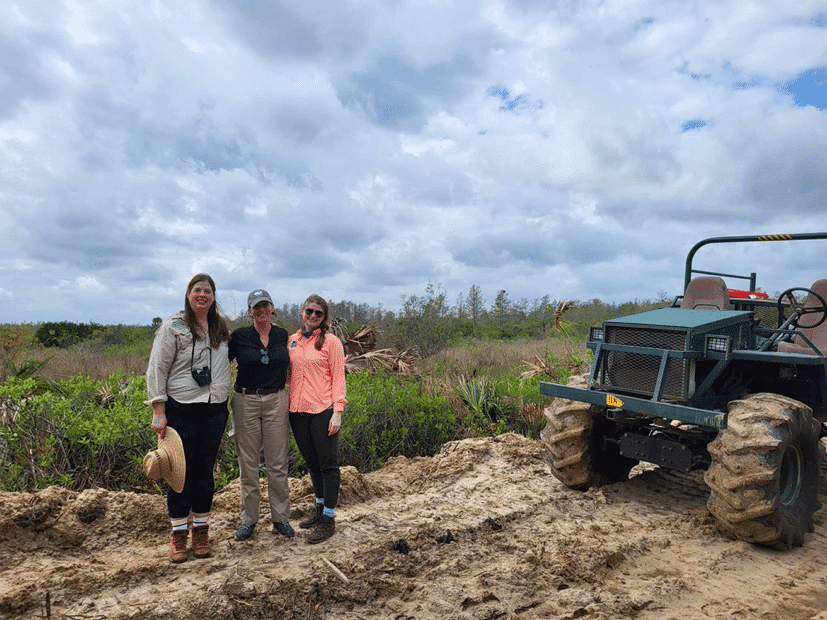
For example, in 2010, the Conservancy joined with others to successfully oppose Miami-Dade County’s proposal to create the ‘Dade-Collier Cypress Recreation District,’ an off-road vehicle recreation park at the Jetport site. This proposed 1,608-acre district would have heavily impacted natural resources and listed species habitat on Jetport property. Fortunately, this proposal never came to fruition. Beginning around 2013, new oil drilling and exploration threatened new industrial activities in the sensitive preserve, and the Conservancy has been fighting to protect the sensitive wetlands and wildlife of our public lands.
However, without notice or environmental review, the intensified use of the Jetport site as “Alligator Alcatraz” has threatened the natural resources within the heart of the Western Everglades. The Conservancy of Southwest Florida has joined partner organizations in the opposition to “Alligator Alcatraz,” or the Everglades Detention Center, which is located between the Big Cypress National Preserve and nearby Everglades National Park.
On August 21, 2025, a judge provided a Preliminary Injunction regarding a suit brought forward by the Friends of the Everglades, Center for Biological Diversity, and the Miccosukee Tribe of Indians. Per this court order, like the Jetport before it, the Everglades Detention Center must be reviewed under the National Environmental Policy Act (NEPA), one of America’s foundational environmental laws that was originally signed by President Nixon in 1969.
Following the requirements of NEPA would mean that impacts are analyzed and assessed prior to decision-making. Moving forward without the prior environmental reviews could set a dangerous precedent. This is critical given the location of the Detention Center within the sensitive wetland ecosystem of the Big Cypress, such a review is critical.
Read more about the Conservancy’s environmental concerns here:
References:
- Luna Leopold’s landmark environmental report: Leopold’s assessment warned that the Jetport “inexorably destroy[ed] the south Florida ecosystem,” detailing catastrophic environmental impacts including sewage, pollutants, and ecosystem disruption americanheritage.com CF Public The Wildlife Society.
- Friends of the Everglades and Marjory Stoneman Douglas’s involvement: Douglas founded Friends of the Everglades in 1969 and joined Joe Browder in a grassroots campaign opposing the Jetport WGCU PBS & NPR for Southwest Florida The Wildlife Society.
- Nat Reed’s strategic role: Reed, as advisor to Governor Claude Kirk, used the Leopold report to shift policy and push for withdrawal of support, which Nixon then followed Florida Phoenix The Wildlife Society
- Joe Browder’s activism: Browder worked alongside Douglas in mobilizing public opposition and is credited for his leadership in environmental advocacy toward the preservation of Big Cypress The Wildlife Society
- Establishment of Big Cypress National Preserve: The canceled Jetport project led to the creation of the Big Cypress National Preserve with federal purchase of surrounding lands in 1974 Earthjustice Florida Phoenix.
- Jetport’s Inspiration for NEPA: The Jetport proposal inspired the creation of the National Environmental Policy Act, one of our foundational environmental laws. The Invading Sea.